The world of fitness is constantly evolving, introducing new trends and methodologies aimed at enhancing performance and overall well-being. With an ever-increasing focus on health, the fitness industry is witnessing a surge in diverse training styles, nutrition strategies, and recovery techniques. This article explores the latest fitness trends, focusing on strength training, cardiovascular workouts, and holistic approaches that cater to both physical and mental health. As we embark on this journey toward peak performance, we will delve into how integrating these trends can lead to a balanced and fulfilling fitness routine. Strength Training: A Foundation for All Fitness Levels Strength training remains a cornerstone of fitness, and its importance cannot be overstated. Recent trends emphasize not only traditional weightlifting but also bodyweight and resistance band exercises. These variations allow individuals at all fitness levels to build strength effectively and safely. Weightlifting is often perceived as the go-to method for muscle growth and strength. Engaging in compound movements such as squats, deadlifts, and bench presses not only builds muscle but also enhances functional fitness, making everyday activities easier. It’s essential for beginners to focus on form and technique, gradually increasing weights as they gain confidence and strength. However, the rise of bodyweight workouts has made strength training more accessible than ever. Exercises like push-ups, lunges, and planks utilize one’s body weight as resistance, allowing for effective training without the need for gym equipment. Bodyweight workouts can be performed anywhere, making them ideal for those with busy lifestyles or limited access to facilities. Resistance band training has also gained popularity, particularly among those looking to add variety to their strength workouts. Bands provide adjustable resistance and can be used for a wide range of exercises targeting different muscle groups. They are especially beneficial for injury rehabilitation and enhancing stability, as they encourage controlled movements and proper form. Cardiovascular Fitness: Energizing the Body and Mind Cardiovascular fitness is another essential component of a well-rounded fitness routine. Recent trends showcase a diverse array of cardio workouts that cater to varying preferences and goals. Running and jogging remain popular, offering an effective way to boost heart health and endurance. Many fitness enthusiasts are discovering the joy of running outdoors, where they can connect with nature while reaping the benefits of aerobic exercise. Additionally, running clubs and community events are fostering a sense of camaraderie, motivating individuals to set goals and achieve them collectively. Cycling has also surged in popularity, both indoors and outdoors. With the rise of stationary bike classes and virtual cycling platforms, individuals can engage in challenging workouts from the comfort of their homes or studios. Cycling classes often combine music and community support, making the experience enjoyable and encouraging for participants. For those seeking a fun and engaging way to exercise, dance workouts have gained traction. Programs like Zumba and dance cardio blend fitness with rhythm, allowing individuals to let loose while working up a sweat. This fusion of exercise and entertainment not only promotes cardiovascular health but also enhances mood and boosts confidence. High-Intensity Interval Training (HIIT) has emerged as a leading trend in cardiovascular fitness. HIIT workouts involve alternating between short bursts of intense exercise and brief recovery periods. This method maximizes calorie burn and improves cardiovascular fitness in a time-efficient manner. The versatility of HIIT allows for the inclusion of various exercises, from sprints to bodyweight movements, making it suitable for individuals at different fitness levels. Holistic Wellness: Integrating Mind and Body While physical fitness is essential, the importance of mental and emotional well-being cannot be overlooked. A growing trend in the fitness industry emphasizes the integration of holistic wellness practices into training routines. Yoga and Pilates are two practices that promote flexibility, balance, and mindfulness. Yoga, in particular, encourages individuals to connect with their breath, fostering a sense of calm and mental clarity. Regular practice can enhance flexibility and reduce stress, making it an ideal complement to strength and cardio workouts. Pilates focuses on core strength, stability, and controlled movements. This practice not only improves physical fitness but also encourages body awareness and mindfulness. Incorporating yoga or Pilates into your weekly routine can create a well-rounded approach to fitness, enhancing both physical and mental health. Additionally, incorporating mindfulness techniques such as meditation and deep breathing can significantly improve mental clarity and emotional resilience. Taking time to focus on your thoughts and feelings can enhance your overall fitness experience, allowing for greater self-awareness and motivation. Recovery: The Unsung Hero of Fitness Recovery is an often-overlooked aspect of fitness, yet it plays a crucial role in achieving peak performance. As the fitness industry evolves, there is a growing recognition of the importance of recovery techniques. Foam rolling has gained popularity for its effectiveness in self-myofascial release, helping alleviate muscle tightness and promote recovery. By incorporating foam rolling sessions into your post-workout routine, you can enhance mobility and reduce muscle soreness. Additionally, gentle stretching exercises are vital for maintaining flexibility and preventing injuries. Taking time to stretch after workouts not only promotes relaxation but also improves overall performance in future sessions. It’s essential to integrate active recovery days into your weekly routine. Engaging in low-intensity activities such as walking, swimming, or yoga allows your body to recover while still promoting movement. These active recovery sessions help improve circulation and muscle repair, ensuring you’re ready for more intense workouts ahead. Crafting a Balanced Fitness Routine: Putting It All Together The key to achieving peak performance lies in crafting a balanced fitness routine that incorporates strength training, cardiovascular workouts, flexibility practices, and recovery techniques. Strive to create a weekly schedule that allows for variety and progression while catering to your individual preferences. Consider structuring your week as follows: – Monday: Strength training (weightlifting or bodyweight exercises) – Tuesday: Cardio (running or cycling) – Wednesday: Flexibility (yoga or Pilates) – Thursday: HIIT session – Friday: Active recovery (walking or gentle stretching) – Saturday: Strength training (resistance band workouts) – Sunday: Rest and reflection This approach not only promotes physical health but also nurtures mental and emotional well-being. Remember to listen to your body and adjust your routine based on your energy levels and recovery needs. Conclusion As the fitness industry continues to evolve, embracing a variety of training styles and recovery practices will empower individuals to reach their peak performance. By integrating strength training, cardiovascular workouts, holistic wellness practices, and effective recovery techniques, you can create a balanced and fulfilling fitness routine. Celebrate your progress, prioritize your well-being, and enjoy the journey toward a healthier, more active lifestyle. Fitness is not just a destination; it’s an ongoing journey of growth and self-discovery.
The Journey to Peak Performance: Exploring Modern Fitness Trends

Categories:
Related Post
Harnessing the Benefits of Nature: How Outdoor Activities Enhance Well-BeingHarnessing the Benefits of Nature: How Outdoor Activities Enhance Well-Being
This article explores the numerous benefits of outdoor activities, discussing how connecting with na
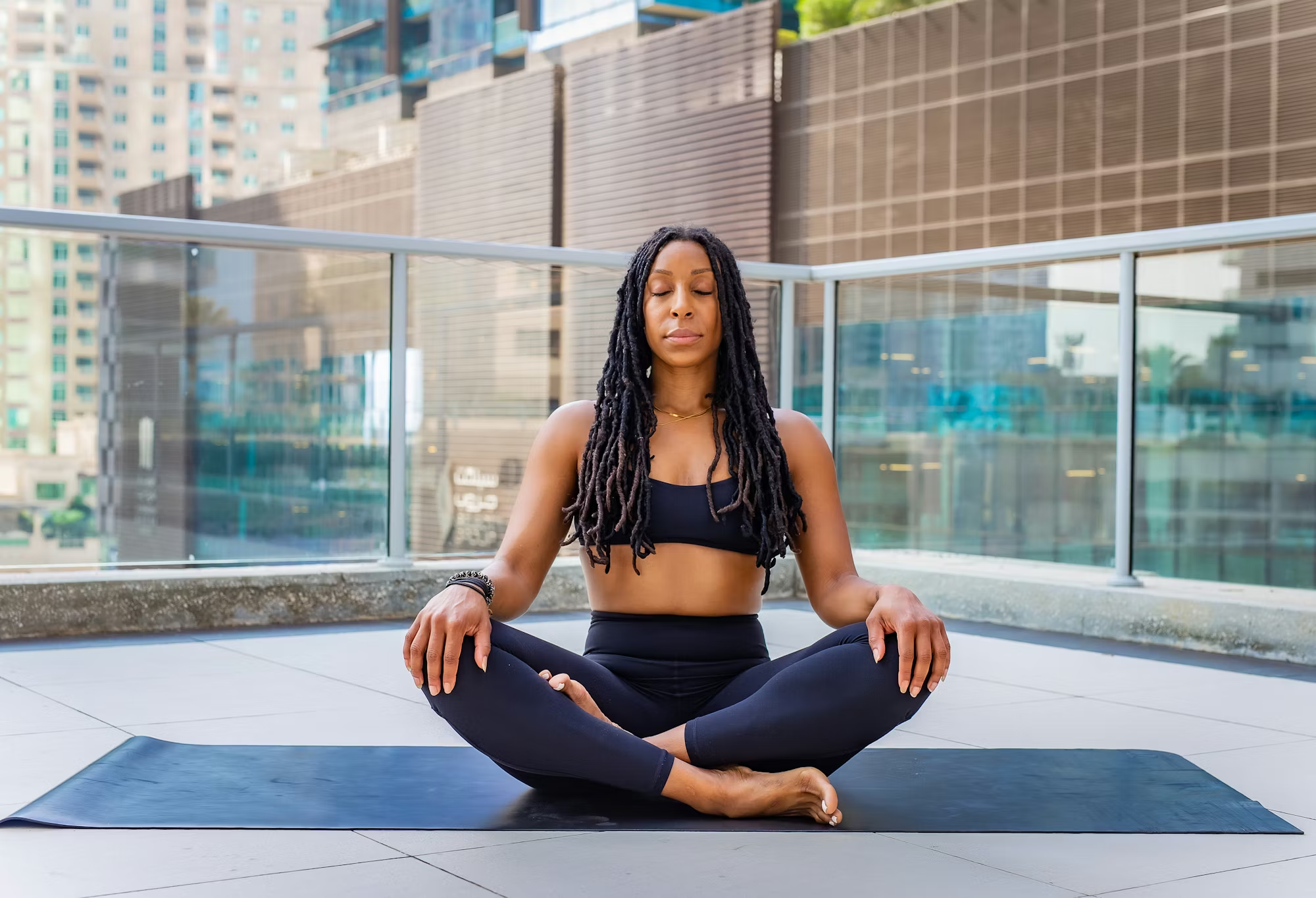
Embracing the Power of Yoga for Mind and BodyEmbracing the Power of Yoga for Mind and Body
This article explores the transformative effects of yoga on physical fitness and mental well-being,

Energize Your Workouts: The Role of Superfoods in Fitness NutritionEnergize Your Workouts: The Role of Superfoods in Fitness Nutrition
This article delves into the importance of superfoods in enhancing athletic performance and overall