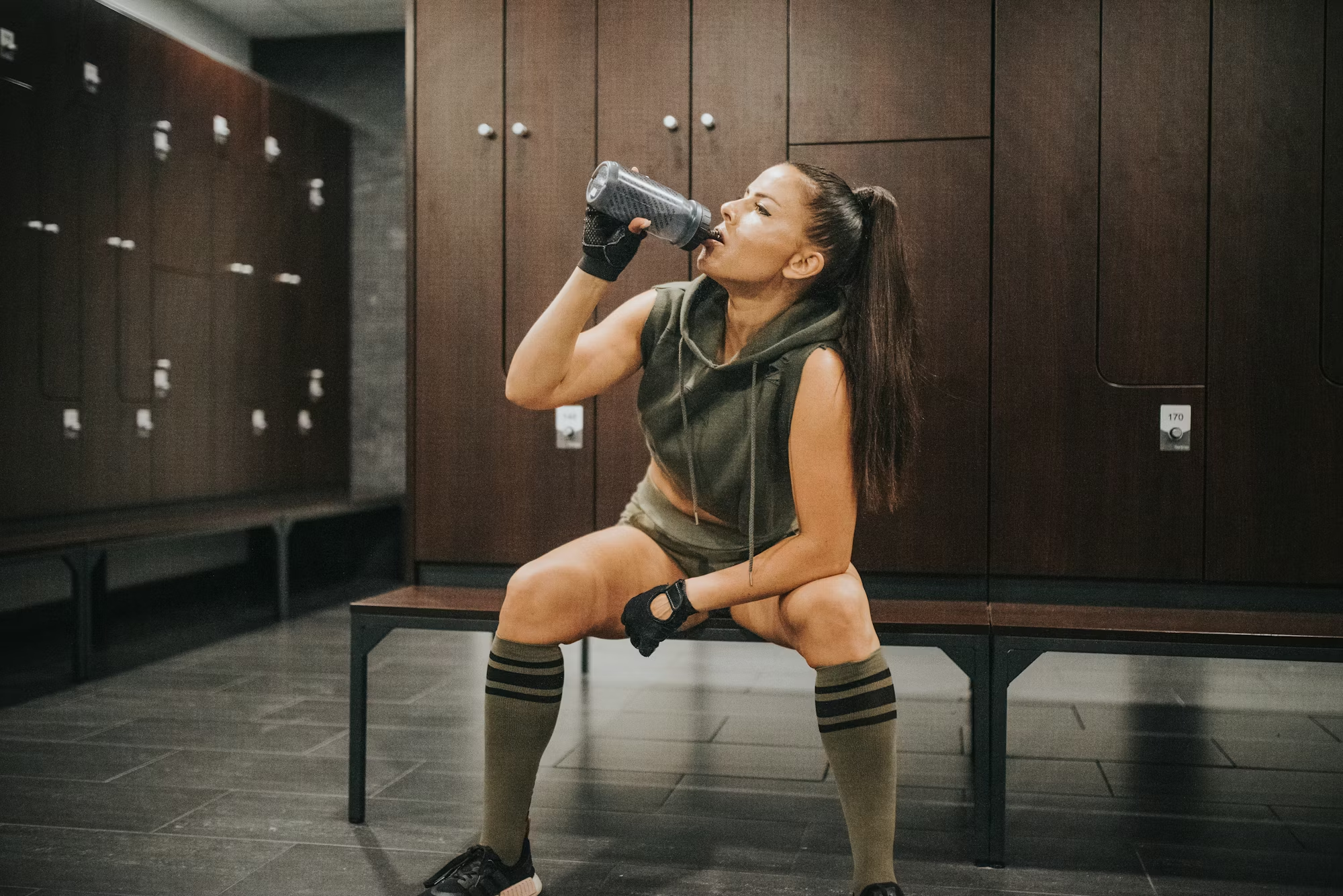
In the realm of fitness, the emphasis is often placed on exercise routines, workout intensity, and consistency. However, a crucial element that can significantly influence your fitness journey is nutrition. Proper dietary choices not only fuel your workouts but also aid in recovery, improve performance, and promote overall well-being. This article delves into the importance of nutrition in fitness, offering insights into how to optimize your diet for a successful fitness journey.
Understanding the Connection Between Nutrition and Fitness
Nutrition and fitness are intricately connected; what you eat directly impacts how you feel and perform during your workouts. Your body requires a balance of macronutrients—proteins, carbohydrates, and fats—to function optimally. Each of these macronutrients plays a unique role in supporting your fitness goals.
Macronutrients and Their Roles
1. Proteins: Essential for muscle repair and growth, proteins are the building blocks of your body. Consuming adequate protein is crucial, especially for those engaged in strength training or high-intensity workouts. It helps in the recovery process by repairing muscle fibers that get damaged during exercise. Common sources of protein include lean meats, fish, eggs, dairy products, legumes, and plant-based protein sources like tofu and quinoa.
2. Carbohydrates: Often regarded as the primary source of energy for physical activity, carbohydrates fuel your workouts and help maintain performance levels. They are particularly important for endurance athletes who require sustained energy over longer periods. Whole grains, fruits, vegetables, and legumes are excellent sources of complex carbohydrates that provide steady energy.
3. Fats: While often misunderstood, healthy fats play a vital role in hormone production, nutrient absorption, and overall health. They are particularly important for individuals engaging in prolonged physical activities. Sources of healthy fats include avocados, nuts, seeds, olive oil, and fatty fish like salmon.
The Importance of Micronutrients
While macronutrients receive much attention, micronutrients—vitamins and minerals—are equally important in supporting overall health and fitness. These nutrients play critical roles in energy production, muscle contraction, and immune function. For example, calcium and vitamin D are essential for bone health, while magnesium supports muscle function and recovery. Incorporating a variety of colorful fruits and vegetables into your diet can help ensure you’re getting a broad spectrum of micronutrients.
The Role of Nutrition in Performance
Proper nutrition can significantly enhance athletic performance. Here are several ways in which dietary choices impact your workouts:
1. Energy Levels
A well-balanced diet provides the energy needed to power through workouts. Consuming a combination of carbohydrates and proteins before exercise can help sustain energy levels, allowing for more effective training sessions. For instance, a banana with peanut butter or a yogurt parfait with granola can be excellent pre-workout snacks.
2. Recovery
Post-workout nutrition is critical for recovery. Consuming protein after exercise helps repair muscle tissue and replenish energy stores. A recovery meal or snack should ideally include a mix of carbohydrates and protein. For example, a smoothie with protein powder, spinach, and berries can be both refreshing and beneficial after a workout.
3. Endurance and Stamina
For endurance athletes, nutrition plays a pivotal role in sustaining performance over longer durations. Consuming carbohydrates during prolonged activities can help maintain blood sugar levels and delay fatigue. Energy gels, sports drinks, and carbohydrate-rich snacks can provide the necessary fuel during endurance events.
Hydration: The Often Overlooked Component
While nutrition encompasses what we eat, hydration is another critical aspect that is often overlooked. Staying properly hydrated is essential for optimal performance, as even mild dehydration can impair physical and cognitive function. Water is generally the best choice for hydration, but electrolyte-rich beverages can be beneficial for those engaging in intense or prolonged exercise.
Signs of Dehydration
Recognizing the signs of dehydration is crucial. Symptoms can include fatigue, dizziness, dry mouth, and decreased performance. To ensure adequate hydration, aim to drink water regularly throughout the day, and consider hydrating before, during, and after workouts. The color of your urine can also be a helpful indicator; pale yellow generally signifies proper hydration.
Nutrition Strategies for Different Fitness Goals
Depending on your fitness goals—be it weight loss, muscle gain, or improved endurance—your nutritional strategies may vary:
1. Weight Loss
For those aiming to lose weight, creating a caloric deficit is essential. This can be achieved by consuming fewer calories than your body expends. Focus on nutrient-dense foods, such as fruits, vegetables, lean proteins, and whole grains, which can help you feel full while still managing calorie intake. Monitoring portion sizes and being mindful of added sugars and processed foods can also aid in weight loss efforts.
2. Muscle Gain
Individuals looking to gain muscle mass should focus on a diet rich in protein to support muscle repair and growth. Consuming more calories than your body burns—through a combination of protein, carbohydrates, and healthy fats—can help facilitate this process. Including protein-rich snacks throughout the day, such as cottage cheese or protein bars, can contribute to muscle-building goals.
3. Endurance Training
For endurance athletes, the emphasis should be on maintaining energy levels through a diet rich in carbohydrates. Prior to long runs or events, consuming high-carb meals can provide the necessary fuel. Additionally, practicing nutrition strategies during training can help prepare the body for competition day.
Conclusion
Nutrition is a fundamental pillar of fitness that should not be underestimated. The right dietary choices can enhance performance, facilitate recovery, and support overall health. By understanding the role of macronutrients and micronutrients and implementing effective nutrition strategies tailored to your fitness goals, you can optimize your journey towards a healthier and fitter you. Embracing the importance of nutrition in your fitness regimen can pave the way for lasting success and improved well-being, making it an essential component of any fitness journey.