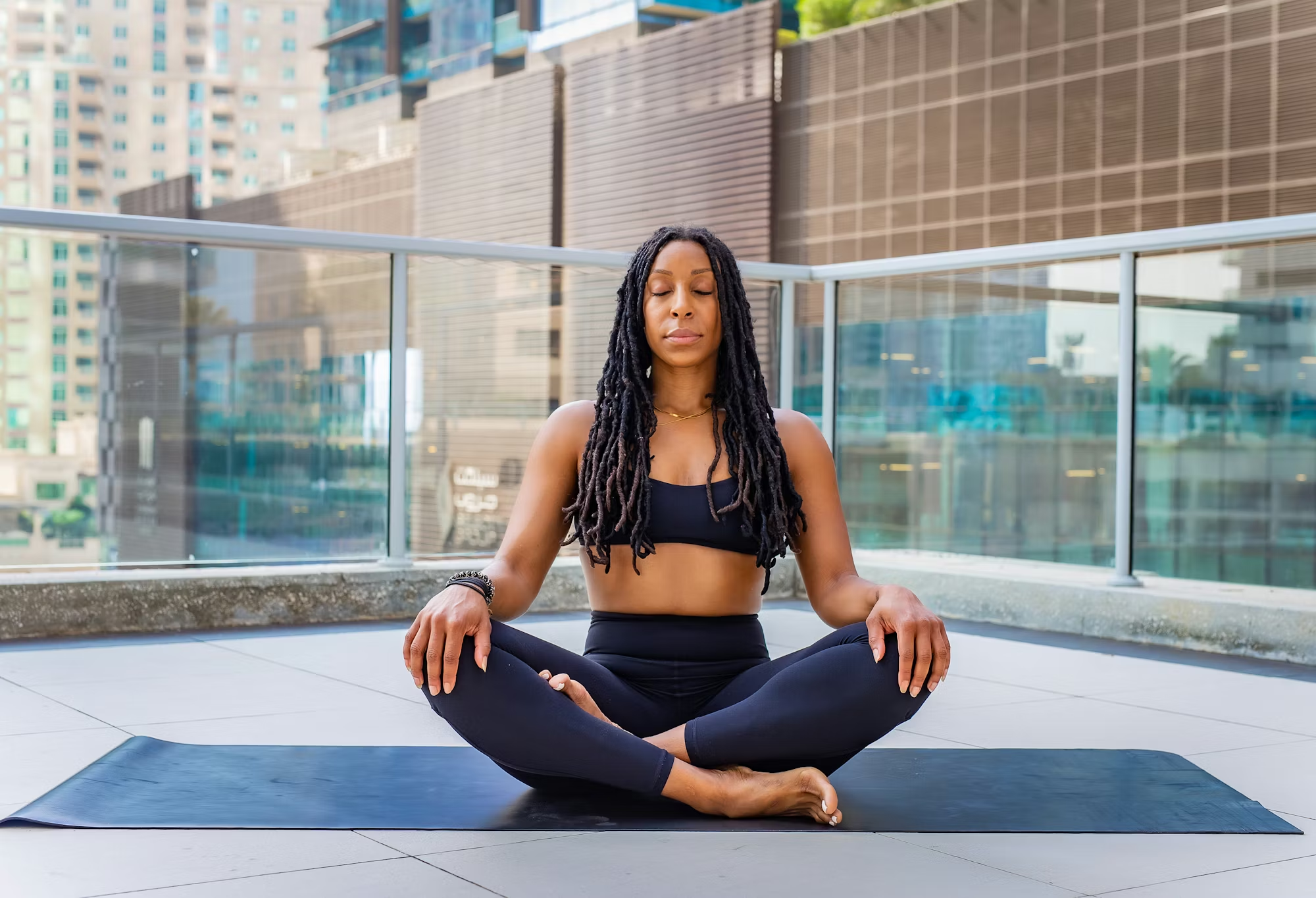
In our fast-paced, technology-driven world, the practice of mindfulness has emerged as a vital antidote to the constant distractions and pressures of modern life. Mindfulness is the art of paying attention to the present moment without judgment, and it can profoundly impact our mental well-being, relationships, and overall quality of life. This article delves into the principles of mindful living, its numerous benefits, and practical strategies to incorporate mindfulness into our daily routines.
At its core, mindfulness invites us to engage fully with our experiences, whether they are mundane tasks or significant life events. By focusing our attention on the present, we can cultivate a deeper awareness of our thoughts, feelings, and surroundings. This practice encourages us to step back from the whirlwind of daily life and observe our experiences with curiosity and acceptance.
One of the most significant benefits of mindfulness is its impact on mental health. Research has shown that practicing mindfulness can reduce symptoms of anxiety and depression, leading to a greater sense of emotional balance and well-being. When we engage in mindfulness, we learn to acknowledge our thoughts and feelings without becoming overwhelmed by them. This skill helps us develop a healthier relationship with our emotions, enabling us to respond to challenges with clarity rather than reactivity.
In addition to mental health benefits, mindfulness can enhance our relationships. When we practice being present with others, we cultivate deeper connections and understanding. Mindful communication involves actively listening and engaging with others without distractions, fostering a sense of empathy and compassion. This presence can lead to more meaningful interactions and strengthen the bonds we share with family, friends, and colleagues.
To begin incorporating mindfulness into our lives, we can start with simple practices that fit seamlessly into our daily routines. One effective technique is mindful breathing. Taking a few moments each day to focus on our breath can ground us and bring our awareness to the present moment. By paying attention to the sensation of inhaling and exhaling, we create a space of calm amidst the chaos of our lives. This practice can be done anywhere, whether at home, during a commute, or even in the office.
Another practical approach is to engage in mindful eating. In our busy lives, meals often become hurried and mindless. By slowing down and savoring each bite, we can enhance our appreciation for food and promote healthier eating habits. Taking the time to notice the colors, textures, and flavors of our meals not only fosters gratitude but also encourages us to listen to our bodies’ hunger and fullness cues.
Mindfulness can also be integrated into physical activity. Whether it’s walking, yoga, or any form of exercise, focusing on the sensations in our bodies as we move can enhance the experience. By being present during physical activity, we cultivate a deeper connection to our bodies and can experience greater joy and fulfillment in our movements. This mindful approach can transform exercise from a chore into a pleasurable and enriching practice.
To deepen our mindfulness practice, we can explore guided meditations or mindfulness apps. These resources offer structured approaches to mindfulness, making it easier to establish a regular practice. Guided meditations can help us focus on specific themes, such as stress reduction or self-compassion, providing support as we develop our skills. Allocating just a few minutes each day to meditate can have a profound impact on our overall well-being.
Creating a mindfulness space in our homes can also enhance our practice. This can be a designated corner with comfortable seating, calming colors, and items that inspire peace, such as plants or candles. Having a dedicated space for mindfulness encourages us to take time for ourselves and reinforces the importance of this practice in our lives.
Furthermore, embracing mindfulness in daily tasks can lead to a more fulfilling life. Whether it’s washing dishes, folding laundry, or commuting, bringing awareness to these activities can transform them into opportunities for mindfulness. By fully engaging in the moment, we can find joy in the simplest tasks and cultivate gratitude for the ordinary aspects of life.
Mindfulness is also about acceptance. It teaches us to acknowledge our thoughts and feelings without judgment, allowing us to be more compassionate towards ourselves. When faced with negative emotions, rather than suppressing or avoiding them, mindfulness encourages us to sit with those feelings and understand their origins. This practice can lead to greater self-awareness and emotional resilience, empowering us to navigate life’s ups and downs with grace.
Incorporating mindfulness into our lives is not just about personal well-being; it also extends to how we interact with the world around us. Practicing mindfulness can enhance our environmental awareness, encouraging us to appreciate the beauty of nature and our impact on the planet. Whether it’s taking a mindful walk in the park, noticing the changing seasons, or simply being aware of our ecological footprint, mindfulness fosters a deeper connection to our surroundings and inspires more conscious choices.
In conclusion, the art of mindful living offers a pathway to greater awareness, emotional balance, and enriched relationships. By embracing mindfulness in our daily routines, we can cultivate a more present and fulfilling life. From mindful breathing to appreciating the simple joys of everyday activities, the practice of mindfulness invites us to engage fully with our experiences. As we navigate the complexities of modern life, adopting a mindful approach can empower us to live with intention, gratitude, and a deeper connection to ourselves and others. Through mindfulness, we can transform not only our own lives but also the lives of those around us, creating a ripple effect of awareness and compassion in our communities.