In the ever-evolving landscape of fitness, one approach stands out for its practicality and effectiveness: functional fitness. This training method emphasizes exercises that mimic everyday movements, helping individuals build strength, stability, and coordination for daily activities. By focusing on functional fitness, people can enhance their quality of life, reduce the risk of injury, and improve overall performance in their routines. In this article, we will delve into what functional fitness entails, its benefits, and how to incorporate it into your workout regime.
What is Functional Fitness?
Functional fitness refers to a style of training that prepares the body for real-life movements and activities. Unlike traditional gym workouts that often isolate muscle groups, functional fitness incorporates compound movements that engage multiple muscle groups simultaneously. These movements reflect the activities we perform in our daily lives—lifting, bending, squatting, pushing, and pulling. By enhancing the body’s ability to perform these movements efficiently, functional fitness can lead to improved strength, balance, flexibility, and coordination.
Benefits of Functional Fitness
The advantages of functional fitness extend far beyond the gym. Here are some key benefits that illustrate why this training method is becoming increasingly popular:
1. Improved Strength and Stability: Functional exercises help build overall strength by engaging various muscle groups. As a result, your body becomes more stable, making it easier to perform everyday tasks like lifting groceries or climbing stairs.
2. Enhanced Mobility and Flexibility: Many functional movements require a full range of motion, promoting better mobility and flexibility. This can reduce stiffness and improve posture, contributing to better movement patterns in daily activities.
3. Injury Prevention: By strengthening the muscles and improving coordination, functional fitness can help reduce the risk of injury. Enhanced body awareness and stability make it less likely for individuals to suffer from strains or falls.
4. Better Balance and Coordination: Functional exercises often involve balancing movements, which enhances overall coordination. Improved balance is essential for all activities, whether it’s playing sports or simply walking.
5. Increased Caloric Burn: Engaging multiple muscle groups in a single movement not only enhances strength but also increases the number of calories burned. This can aid in weight management and overall fitness.
6. Time Efficiency: Functional fitness workouts often combine strength, flexibility, and cardiovascular training into one session, making them time-efficient. This is particularly beneficial for individuals with busy schedules.
Key Functional Fitness Exercises
Incorporating functional fitness into your routine can be done through various exercises that replicate everyday movements. Here are some effective functional exercises:
1. Squats: Squats mimic the movement of sitting down and standing up, engaging the legs, glutes, and core. Variations like goblet squats or single-leg squats can add difficulty and target different muscles.
2. Deadlifts: This exercise teaches proper lifting technique, essential for picking up objects safely. Deadlifts engage the hamstrings, glutes, and lower back, promoting overall strength.
3. Lunges: Lunges replicate walking and climbing stairs, improving leg strength and balance. Forward, reverse, and lateral lunges can be incorporated for variety.
4. Push-Ups: A classic bodyweight exercise, push-ups strengthen the chest, shoulders, and triceps while also engaging the core. Variations like incline or decline push-ups can modify intensity.
5. Planks: Planks enhance core stability, which is crucial for maintaining proper posture and preventing injuries. Side planks and variations like plank jacks can increase difficulty.
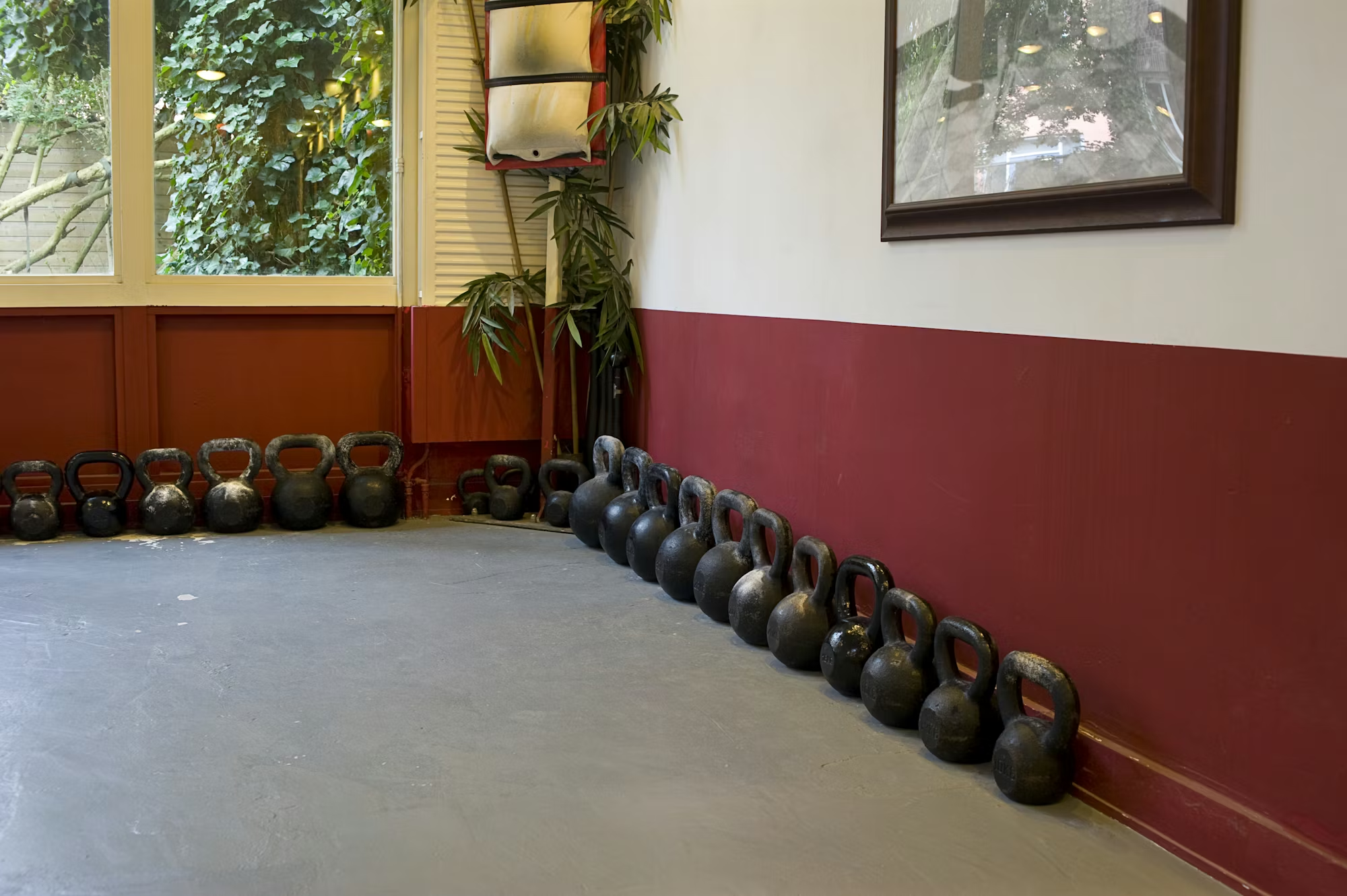
6. Kettlebell Swings: This dynamic movement engages multiple muscle groups and promotes cardiovascular endurance. Kettlebell swings mimic the motion of swinging a grocery bag, making them practical.
7. Medicine Ball Throws: These exercises replicate pushing and throwing movements, enhancing upper body strength and coordination. Partner drills or wall throws can make this exercise more interactive.
How to Integrate Functional Fitness into Your Routine
Integrating functional fitness into your daily routine can be seamless and enjoyable. Here are some tips to help you get started:
1. Assess Your Needs: Consider your daily activities and identify movements that could be improved. Tailor your functional fitness routine to address these specific needs.
2. Start with Bodyweight Exercises: Begin with bodyweight exercises to build a strong foundation. Focus on mastering form and technique before adding weights or resistance.
3. Incorporate Variety: Mix different functional exercises to keep your workouts engaging. Combining strength, balance, and flexibility training will lead to well-rounded fitness.
4. Use Everyday Objects: Integrate functional movements into your day-to-day life. For example, use a chair for squats or a backpack filled with books for added resistance during lunges.
5. Join a Class: Many fitness centers offer functional fitness classes that incorporate a variety of movements and equipment. Joining a class can provide guidance and motivation while also fostering a sense of community.
6. Set Realistic Goals: Establish achievable fitness goals that reflect your personal needs. Whether it’s improving your balance or increasing your strength, having clear goals will help you stay focused and motivated.
7. Stay Consistent: Like any fitness routine, consistency is key. Aim to incorporate functional fitness exercises into your weekly routine to see progress and improvements.
Functional Fitness for All Ages
One of the most significant advantages of functional fitness is its accessibility for all ages and fitness levels. Whether you’re a young adult looking to improve athletic performance or a senior aiming to maintain mobility, functional exercises can be adapted to suit individual needs.
– For Beginners: Start with basic bodyweight exercises to build strength and confidence. Gradually introduce resistance as you progress.
– For Seniors: Focus on exercises that improve balance and stability, such as gentle squats or seated leg lifts. These movements can enhance mobility and reduce the risk of falls.
– For Athletes: Incorporate functional training to enhance performance in sports. Movements that mimic the actions of your chosen sport can improve specific skills and reduce injury risk.
Conclusion
Functional fitness offers a powerful approach to enhancing overall well-being and physical capability. By focusing on movements that translate to daily life, individuals can experience improved strength, mobility, and coordination, leading to a healthier and more active lifestyle. Whether you’re looking to prevent injuries, enhance your athletic performance, or simply make daily tasks easier, incorporating functional fitness into your routine can yield remarkable results. Start small, stay consistent, and enjoy the journey towards a more functional and fulfilling life.