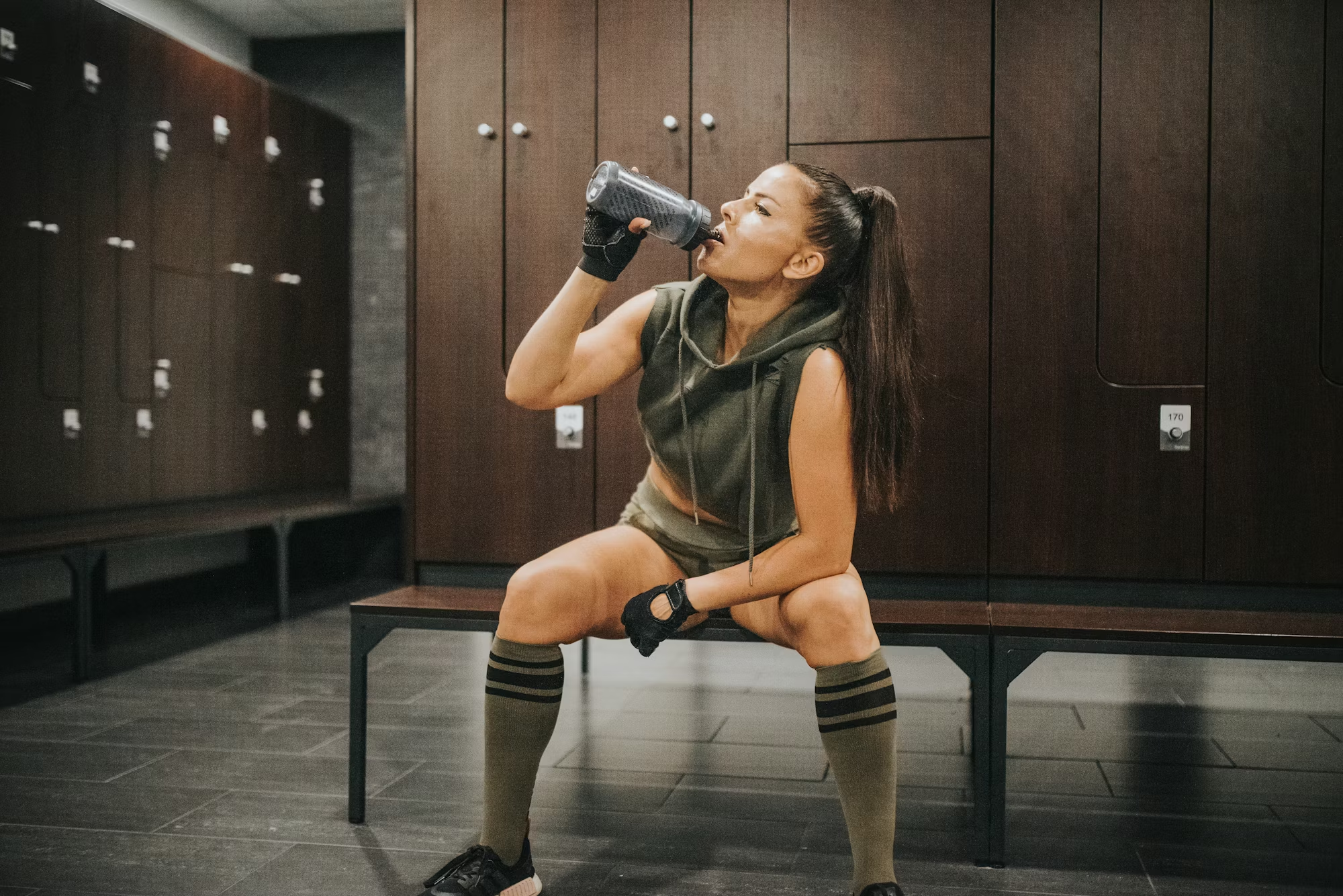
Nutrition plays a crucial role in optimizing workout performance and recovery. Understanding how to fuel your body before and after exercise can make a significant difference in your overall fitness journey. This article explores the best food choices for pre- and post-workout nutrition, ensuring that you get the most out of your training sessions while promoting recovery and energy replenishment.
Before diving into specific food recommendations, it’s important to understand the basic principles of pre-workout nutrition. The primary goal of your pre-workout meal is to provide your body with the energy it needs to perform at its best. Ideally, you should aim to eat a balanced meal that includes carbohydrates, protein, and healthy fats about two to three hours before exercising. Carbohydrates are particularly important as they serve as the primary energy source for your muscles during physical activity.
Fruits are an excellent choice for pre-workout fuel, especially when consumed close to your workout time. Bananas are a popular option due to their rich carbohydrate content and natural sugars, providing a quick energy boost. They also contain potassium, which helps in muscle function. Berries, such as blueberries and strawberries, are another great option; they are packed with antioxidants that combat oxidative stress during exercise. If you’re looking for a refreshing pre-workout snack, consider a smoothie made with your favorite fruits, Greek yogurt, and a handful of spinach for added nutrients.
Vegetables can also play a vital role in pre-workout nutrition. Leafy greens like spinach and kale are low in calories but high in essential vitamins and minerals. Incorporating these into your meals not only adds nutrients but also helps keep you hydrated. Carrots and bell peppers provide additional carbohydrates and fiber, which can help sustain energy levels during your workout.
Whole grains are another key component of pre-workout nutrition. Foods like oatmeal, brown rice, and quinoa are excellent sources of complex carbohydrates, offering a slow release of energy. Oatmeal is a particularly good choice for breakfast before an early workout, as it provides long-lasting energy and can be topped with fruits or nuts for added flavor and nutrients. For those who prefer something quick, whole-grain bread with nut butter can serve as a satisfying snack.
Protein is also essential before exercise, as it supports muscle repair and growth. Lean protein sources such as chicken breast, turkey, and fish can be included in your meals a few hours prior to your workout. If you’re following a plant-based diet, consider options like tofu, tempeh, or legumes, which are rich in protein and can be included in a variety of dishes.
After a workout, your body is in recovery mode and requires proper nutrition to replenish energy stores and repair muscle tissue. Post-workout meals should ideally be consumed within 30 to 60 minutes after exercising to maximize recovery. The focus should be on replenishing glycogen stores with carbohydrates and providing your body with protein to aid muscle repair.
For post-workout snacks, smoothies can be a fantastic option. Combining fruits, protein powder, and a source of healthy fat, such as nut butter or chia seeds, creates a balanced meal that promotes recovery. Greek yogurt is another excellent post-workout food, as it is rich in protein and can be mixed with fruits and granola for a nutritious treat. The combination of protein and carbohydrates in these snacks helps restore energy levels and supports muscle recovery.
Legumes are a great option for a hearty post-workout meal. A chickpea salad or a lentil stew not only provides protein but also offers complex carbohydrates that help replenish glycogen stores. Pairing these legumes with whole grains, such as brown rice or quinoa, creates a complete protein meal that supports muscle recovery.
Hydration is also a critical aspect of post-workout nutrition. After exercising, it’s essential to rehydrate by drinking water or electrolyte-rich beverages. Coconut water is a natural option that provides electrolytes without added sugars, making it a refreshing way to replenish lost fluids. Herbal teas can also be hydrating and offer additional health benefits, such as antioxidants.
Healthy fats should not be overlooked in post-workout nutrition, as they play a role in overall health and recovery. Incorporating sources of healthy fats, such as avocados, nuts, and seeds, into your post-workout meals can provide essential nutrients and help with inflammation reduction. For example, adding avocado to a salad or spreading it on whole-grain toast creates a nutritious post-workout meal that is both satisfying and energizing.
The timing and composition of meals before and after workouts can vary based on individual needs and preferences. Some people may prefer larger meals a few hours before exercising, while others might opt for smaller snacks closer to workout time. It’s important to listen to your body and find a routine that works best for you. Keeping a food journal can help track what you eat and how it affects your performance and recovery, allowing for adjustments as needed.
In summary, fueling your body with the right nutrients before and after workouts is essential for optimizing performance and recovery. By incorporating a variety of fruits, vegetables, whole grains, lean proteins, and healthy fats into your diet, you can ensure that your body has the energy it needs to perform at its best. Embrace the power of nutrition as a vital component of your fitness journey, and watch as your performance and overall well-being improve.